
Articles
Summary:
Do your eyes look more tired than before? Maybe you’re considering an eyelift. But how can you be sure this procedure is suitable for you?.
In this article, we share all the indicators to watch out for while also sharing what an eyelid involves, from treatment to aftercare.
An eyelid lift, also known as blepharoplasty, is a surgical procedure that removes or repositions excess skin, fat, and sometimes muscle around your upper or lower eyelids.
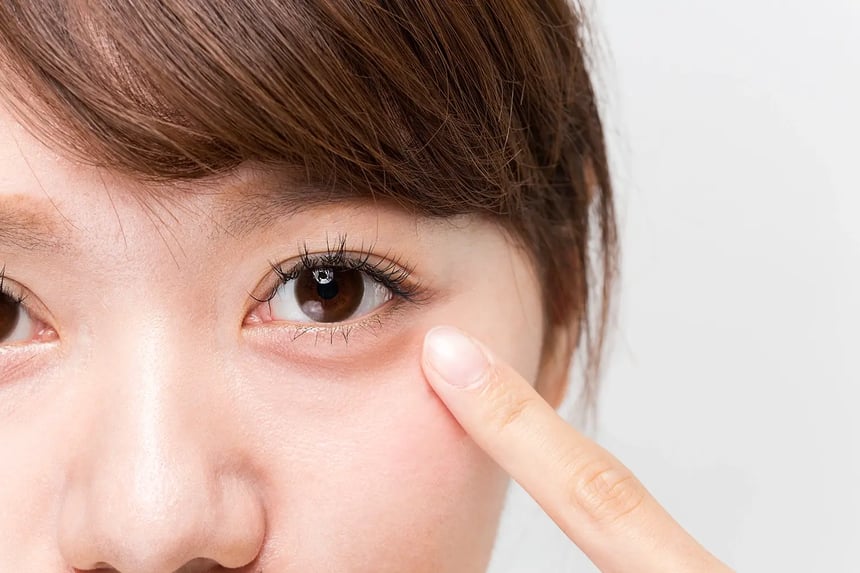
If you’ve noticed sagging eyelids (also known as ptosis), puffiness, or a consistently tired appearance, this procedure is designed to address excess skin and support a more refreshed eye area while maintaining your natural facial features.
During surgery, your plastic surgeon makes small incisions along the natural creases of your eyelids. Through these openings, excess skin and fat are adjusted or removed based on your specific needs.
The goal is not to change how you look completely, but to restore a more open, rested, and balanced appearance around your eyes.
If you’re exploring ways to improve the eye area, you may come across non-surgical treatments such as laser tightening or energy-based devices. These can help with mild skin laxity or early changes, but they don’t remove excess skin or fat.
If your concerns are more noticeable, surgery is usually more effective because it directly addresses the underlying structural cause.
Changes around the eyes often develop gradually, and you may not notice them at first. Over time, however, they can start to affect both appearance and function.
If your upper eyelids feel heavy or appear to fold over your lash line, this is usually due to excess skin. You may also notice your eyelid crease becoming less defined or disappearing when your eyes are open.
You may see puffiness or “bags” around your upper or lower eyelids, which can make you look tired even when you’re well rested. Makeup may also stop sitting smoothly due to uneven skin or volume changes in the area.
In some cases, excess upper eyelid skin can begin to interfere with your field of vision. You might find yourself lifting your eyebrows unconsciously to see more clearly, especially when reading or using screens.
Here’s a brief overview of how the procedure works.
Your consultation starts with a detailed assessment with a plastic surgeon of your eyelids, skin quality, and overall facial balance. You’ll also talk through what bothers you most and what kind of outcome you’re hoping for.
Your plastic surgeon will then advise whether upper eyelid surgery, lower eyelid surgery, or a combination approach is most suitable based on your anatomy and concerns.
On the day of surgery, your surgeon will mark the treatment areas carefully before making small incisions along the natural eyelid creases. Excess skin and fat are then adjusted or removed in a controlled manner to improve contour and balance.
The incisions are closed with fine sutures to support clean healing and minimise visible scarring.
Eyelid lift surgery is typically performed under local anaesthesia with sedation or, in some cases, general anaesthesia.
Your plastic surgeon will recommend the most appropriate option based on the complexity of your procedure and your comfort level, so you remain relaxed throughout.
If you’re unsure whether you need an eyelid lift, you should speak to an experienced plastic surgeon for clarity. Contact Polaris Plastic and Reconstructive Surgery today.
Recovery is usually manageable, but your eyes do need time to heal properly and settle into their final appearance.
In the first few days after an eyelid lift, your body starts the initial healing process. Here’s what you can typically expect:
Most people return to light daily activities within about a week. However, you should avoid strenuous exercise, heavy lifting, or activities that strain the eyes for a few weeks.
Stitches are usually removed within five to seven days, and your surgeon will guide you on when it’s safe to resume normal routines.
Swelling and bruising usually peak within the first few days before improving. It’s normal for one eye to heal slightly faster than the other.
Following your aftercare instructions closely, including keeping the area clean and attending follow-up visits, helps support a smooth healing process.
Like any surgical procedure, eyelid lift surgery carries some risks, although these are generally low when performed by an experienced plastic surgeon.
You may experience temporary swelling, bruising, dryness, tightness, or mild discomfort around the eyes. These effects usually improve as healing progresses.
You can reduce risks by choosing a qualified plastic surgeon, following all pre- and post-operative instructions, and being transparent about your medical history and medications.
Avoid rubbing your eyes and attend all scheduled follow-ups so your recovery can be properly monitored.
An eyelid lift provides long-lasting improvement, but natural ageing will continue over time.
Protecting your skin from sun exposure, maintaining a healthy lifestyle, and following a consistent skincare routine can help prolong your results.
If you’ve noticed changes around your eyelids and want to understand what’s causing them, it’s worth getting them properly assessed before they start to affect your vision or become more pronounced.
At Polaris Plastic and Reconstructive Surgery in Singapore, our plastic surgeon will examine your eyelids, discuss your concerns with you, and advise whether an eyelid lift is appropriate or if other options may be more suitable.
Contact us today to book an appointment.







Learn more about Dr Adrian Ooi, Dr Pek Chong Han, Dr Pek Wan Sze and the team